
Treasury faces questions over sanctions strategy, compliance burden and the rise of alternative payment channels
US lawmakers have raised concerns that the growing use of sanctions could be driving countries away from the dollar-based financial system, as Treasury officials acknowledged the need to make the measures more targeted and effective.
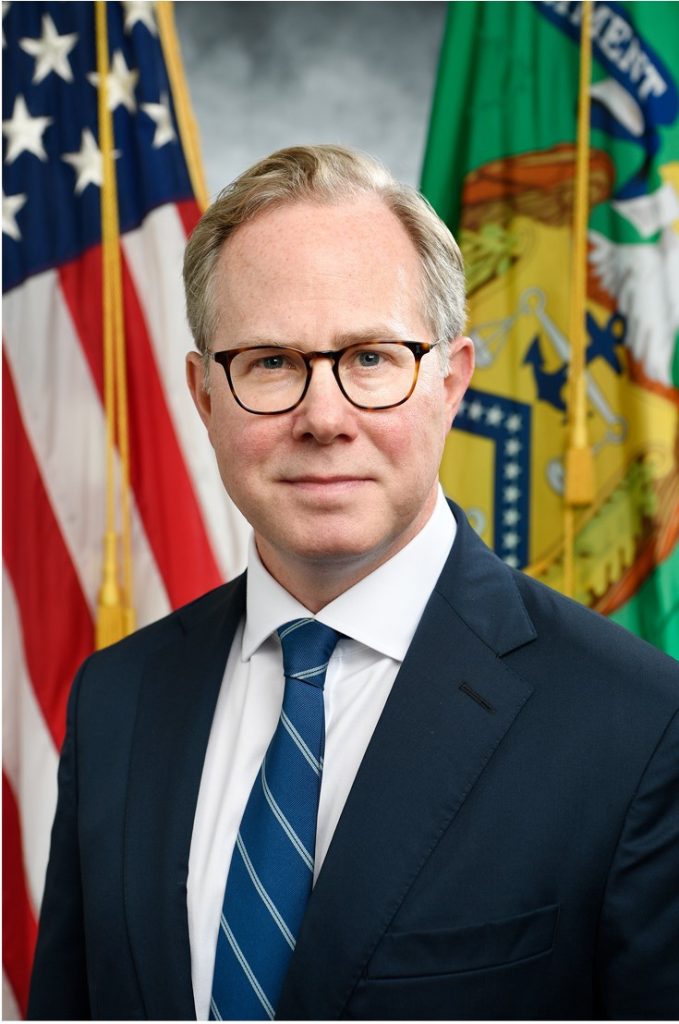
During a 22 April hearing of the House Financial Services Subcommittee on National Security, Illicit Finance, and International Financial Institutions, Assistant Secretary for Terrorist Financing, Jonathan Burke, faced questions on the effectiveness of US sanctions policy.
Opening the session, Chairman Warren Davidson warned sanctions risk losing their impact if deployed without clear strategic direction.
“Too often, it seems that sanctions are used too easily without a coherent strategy or a clear theory of success or metrics to assess the effectiveness,” he said.
Davidson also pointed to unintended consequences for the global financial system, noting that sanctions can drive structural shifts in how cross-border payments are conducted. “They predictably cause hedging behaviour whether it’s China and Russia conducting trade outside the dollar system or Europe developing the digital euro in part as a way to evade US sanctions,” he added.
In response, Burke indicated that the Treasury is reviewing how sanctions are designed and implemented, with a focus on improving their effectiveness. “We are re reviewing sanctions practices to improve their efficiency and impact,” he said, adding success should be judged by “the impact and national security outcomes”.
He also acknowledged operational challenges within the current system, particularly for financial institutions tasked with compliance.
“Current compliance practices such as screening large sanctions lists often generate high volumes of false positives and divert resources from higher risk threats,” Burke stated.
The Treasury is now working to “sharpen our sanctions tools, remove outdated designations, and provide guidance that helps financial institutions focus on meaningful risks”.
Illicit finance networks evolve across payment channels
A key theme of the hearing was the increasing sophistication of sanctions evasion, particularly across global payment networks.
Burke highlighted the range of methods being used by adversaries, including “shadow fleets, shell companies, digital assets, and alternative payment systems”. He also pointed to the growing scale of cross-border financial crime, noting that “organised criminal groups operate large-scale scam centres abroad, while domestic fraud costs taxpayers hundreds of billions of dollars annually”.
“This level of abuse is unacceptable,” he added.
Digital assets formed a central part of the discussion, with Burke signalling further regulatory developments tied to the implementation of new legislation. “A key component is implementation of the Genius Act, including proposed rules for stable coin issuers and broader efforts to support financial innovation,” he said.
Lawmakers also raised concerns about the role of crypto infrastructure in sanctions evasion and terrorist financing, with questions around enforcement actions and compliance monitoring. Burke confirmed authorities would continue to act where illicit activity is identified, stating that Treasury would use “the appropriate tools” where such risks are detected.
Push for risk-based compliance model
Alongside enforcement, the Treasury is seeking to recalibrate how compliance obligations are applied across the financial system. Burke emphasised a shift towards a more targeted, risk-based framework, arguing that resources should be aligned more effectively.
“Our system should focus on the biggest risk areas and avoid unnecessary burdens on industry while also improving national security outcomes,” he said.
This approach was echoed in discussions around the role of banks and payment providers, which Burke described as operating on the “front line in the fight against financial crime”.
Lawmakers also raised concerns about the growing complexity of sanctions regimes, particularly the proliferation of overlapping lists and frameworks. Burke acknowledged the challenge, noting that “list management is a very complex exercise” with different authorities imposing different requirements across sectors.
As sanctions volumes continue to increase, Treasury is seeking to ensure that measures remain “aligned to the priorities” and can be effectively implemented by financial institutions.
You can watch the full hearing here: