As the Netherlands tightens restrictions on high-value cash transactions, the move highlights both the limits of cash-based money laundering controls and the growing reliance on national measures to shore up Europe’s uneven anti-financial crime framework.
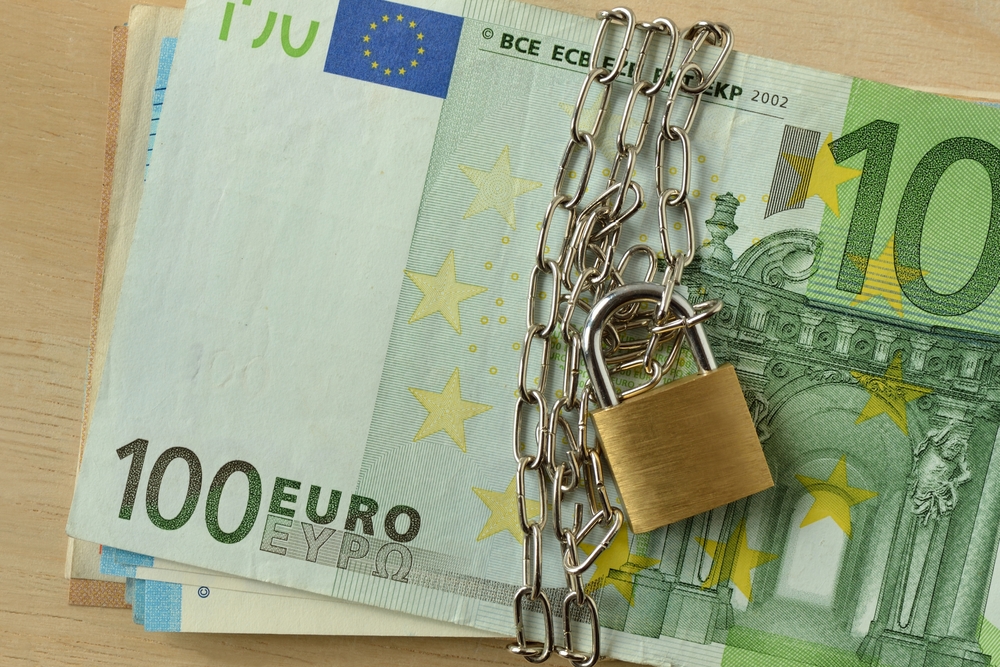
The Dutch government has moved to ban cash payments above €3,000 for professional and commercial transactions, tightening restrictions on how high-value goods can be bought and sold in one of Europe’s most digitally advanced payments markets.
The measure, which came into force on January 1, applies to traders and professional sellers and explicitly prohibits the splitting of transactions to circumvent the threshold. It forms part of the Netherlands’ national anti-money laundering strategy, coordinated by the Ministry of Finance and the Ministry of Justice and Security, and is intended to make it harder for illicit funds to enter the legitimate economy. Officials argue that large cash purchases have remained a persistent weak point in the country’s anti-money laundering framework, particularly in sectors that sit outside traditional banking oversight.
While modest in scope, the decision places the Netherlands more firmly in line with a growing number of European jurisdictions which have chosen to limit high-value cash use as part of broader efforts to tackle financial crime. It also comes ahead of upcoming EU rules that will introduce a €10,000 cash payment limit across member states, with Dutch policymakers opting for a deliberately stricter national threshold to mitigate what they view as elevated integrity risks.
A risk-based move, not a cash ban
Importantly, the policy does not outlaw cash. Nor does it introduce new consumer-facing restrictions. Instead, it shifts responsibility squarely onto businesses operating in regulated markets, reinforcing existing anti-money laundering obligations around customer due diligence and transaction monitoring.
Speaking to Payment Expert, spokesperson for De Nederlandsche Bank (DNB) Tobias Oudejans stresses the central bank did not set the €3,000 threshold, nor does it act as the AML supervisor for the cash limit itself. That decision sits with the Dutch legislator and the Ministry of Finance.
“Technically speaking, DNB is not the AML/CFT supervisor for this cash limit, nor did it set the threshold,” he says, adding that the central bank’s involvement has been “mainly from the perspective of safeguarding access to payment systems.”
The central bank has nonetheless framed the measure as a “pragmatic limit” designed to reduce money laundering and terrorist financing risks associated with large cash transactions, Oudejans explains. According to the DNB, restrictions on high-value cash payments “form part of the broader anti-money laundering framework”, sitting alongside know-your-customer requirements, transaction monitoring and reporting obligations.
“Importantly, euro banknotes and coins remain legal tender and remain usable as means of payment,” Oudejans says, emphasising payments below the €3,000 threshold continue to be permitted.
For the Netherlands, this reflects a long-standing regulatory philosophy that cash remains legal tender, but its use should be proportionate to risk. In a country where debit cards and instant payments already dominate everyday transactions, policymakers appear to calculate that the economic and social cost of restricting high-value cash use is limited.
Alignment with Europe’s broader direction of travel
At EU level, policymakers are moving towards tighter coordination through reforms that include a new Anti-Money Laundering Authority (AMLA) and a proposed bloc-wide cash cap.
Oudejans notes the Dutch approach “aligns with European efforts to harmonise rules, while allowing member states to set stricter limits.” Against that backdrop, the Dutch move looks less like unilateral tightening and more like early alignment.