When PicPay’s founders launched a peer-to-peer payments app from a small office in Vitória back in 2012, few imagined it would one day be eyeing a listing on Nasdaq.
Brazil was then still largely a cash economy; smartphones were spreading fast but trust in digital wallets was low. Yet PicPay’s promise – to let friends settle a bar tab or split rent with a few taps – caught the wave of Brazil’s mobile revolution just before the world went contactless.
A decade later, the green-and-white logo is ubiquitous.
Taxi drivers take PicPay. Street vendors take PicPay. Even church donations can be made through the app. What began as a peer-to-peer wallet has become a fixture of daily financial life for more than 60 million Brazilians.
And now, having survived the growing pains of Brazil’s fast-moving fintech scene, the company wants something more enduring: the confidence of Wall Street investors.
A super-app built on Brazil’s digital rails
PicPay’s real inflection point came not from Silicon Valley but from Brasília. When the central bank launched Pix – a national instant-payments system – in 2020, it rewired how Brazilians pay for everything from groceries to taxes.
PicPay leaned in early, embedding Pix deep into its interface and later pairing it with WhatsApp through partnerships with Meta and Microsoft.
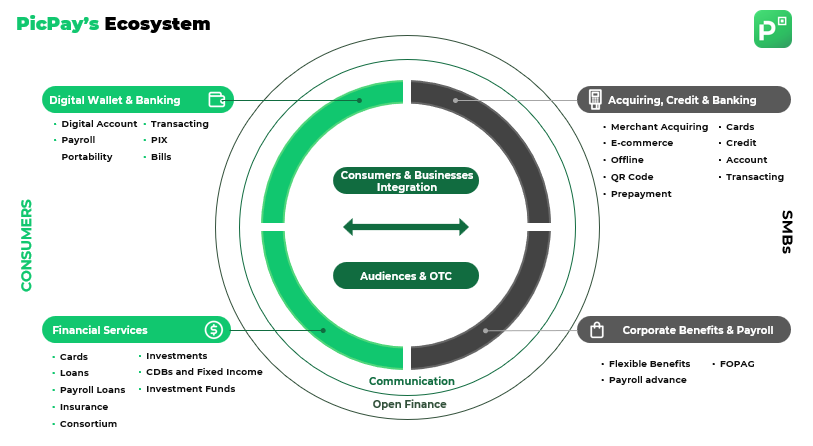
This integration kept customer-acquisition costs low while scaling reach far beyond the urban middle class that first fuelled its rise. It also shifted PicPay’s identity from a fast-growing wallet to a financial platform that now straddles stored-value accounts, bill payment, credit cards, SME tools, and consumer loans.
From local champion to global listing
PicPay’s owners, J&F Investimentos – the holding company behind meat-packing giant JBS – have long wanted to spin it out as a standalone fintech story.
The company filed for a Nasdaq debut in 2021, then shelved the plan as global appetite for loss-making tech faded. But markets have warmed since.
Reuters reports that PicPay is again preparing for a 2025 listing. The company’s first-half 2024 net income hit R$61.8 million, almost double the prior year, driven by rising credit volumes and a 45% surge in card transaction value. After years of burning cash to win users, PicPay finally has numbers it can defend in a prospectus.
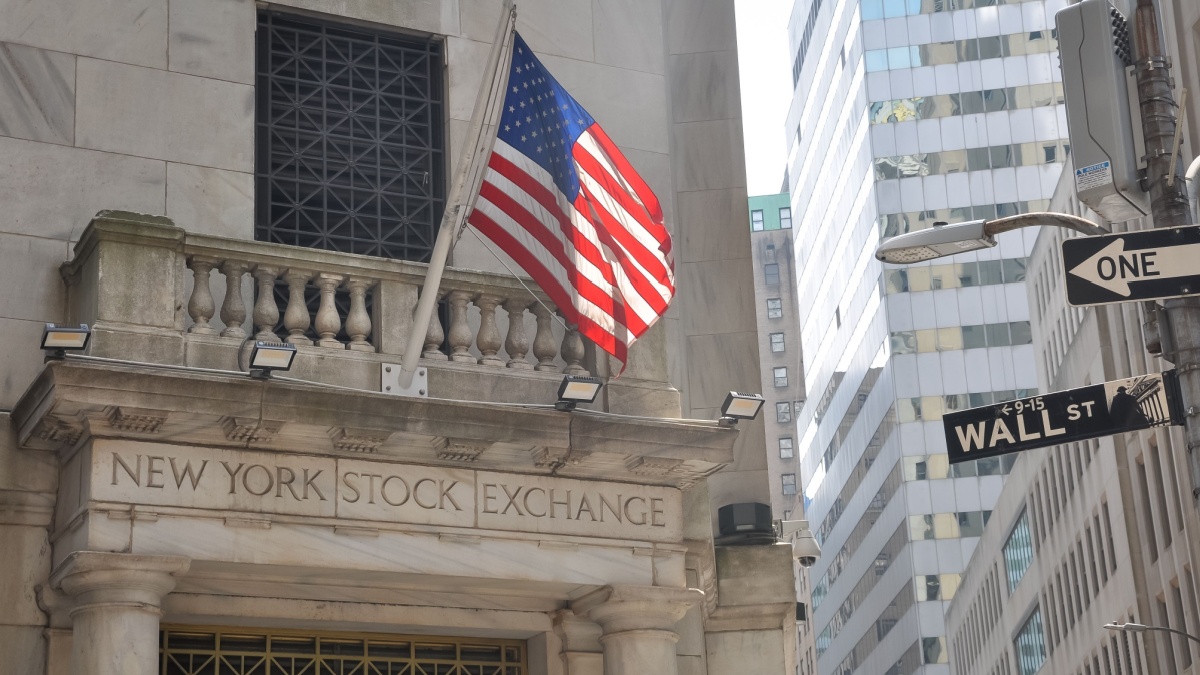
Listing in New York rather than São Paulo also makes sense. The US offers deeper pools of fintech-savvy capital and a peer group that includes Nubank, StoneCo and Mercado Pago’s parent, Mercado Libre – firms which have proved Latin American payments can sell to global investors if governance and growth line up.
A difficult environment at home
The backdrop in Brazil is not an easy one. The central bank’s policy rate has stayed high, squeezing margins for lenders and exposing weaker fintechs that relied on cheap funding. Yet credit growth has proved surprisingly resilient. Rising real wages and the reach of digital channels kept borrowing alive through 2024, according to the International Monetary Fund.
That paradox makes PicPay’s next phase more delicate. It must show investors that its lending model can thrive without excess risk, and that it can fund growth responsibly in a market where defaults are edging up. Brasília’s broader financial reforms add further uncertainty, but also opportunity for players nimble enough to adapt.
Other Latin American fintechs have shown the route from disruption to durability. Nubank’s 2021 IPO framed it as both bank and lifestyle brand; Mercado Pago rode e-commerce scale into payments dominance. PicPay’s pitch is similar: a super-app sitting at the junction of social networks, real-time payments, and credit. I
If the numbers keep improving, Wall Street may finally buy the story. The company will have to persuade investors that it has outgrown its start-up volatility, and that Brazil’s most ambitious payments app can balance growth with prudence in a market still defined by volatility itself.