Lawmakers heard that US households lose an estimated $158bn each year to scams, with most victims never reporting cases to law enforcement
Fraud and scams are increasingly being treated as a national security issue in the US, with lawmakers hearing stark warnings from industry, consumer advocates and policy groups about the scale of the threat facing American households.
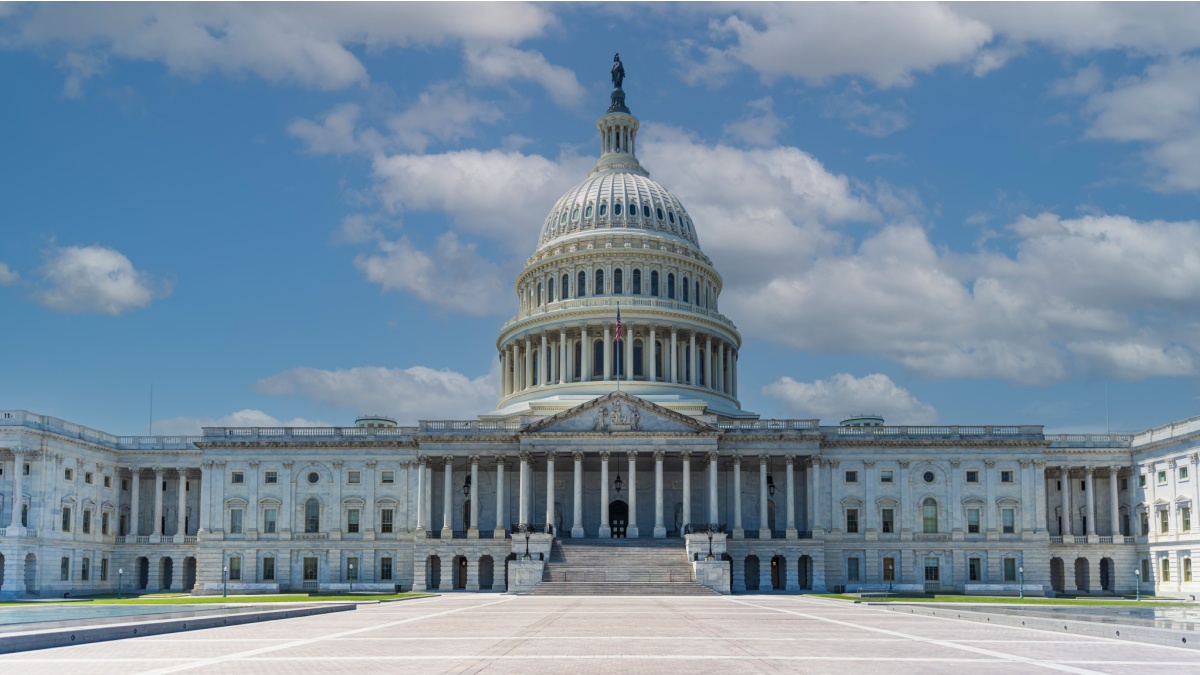
On September 18, at a hearing of the House Financial Services Committee’s Subcommittee on Oversight and Investigations, testimonies from payments providers, banks, consumer representatives and think tanks pointed to the rapid escalation of fraud losses and the challenges of attribution in a digital-first economy.
Kate Griffin, Director of the National Task Force on Fraud and Scam Prevention at the Aspen Institute Financial Security Program, told the committee that scams now represent “a threat to our national security, to the systems of communication, commerce, and finance in our country, and to Americans’ household financial security”.
She added: “The United States is caught in a global conflict with these scammers and we are not yet winning.”
Figures presented by Griffin highlighted the scale of the problem – more than 50 million US adults have lost money to an online scam or attack, with annual fraud-related losses estimated at $158bn. She linked scam activity directly to transnational criminal organisations, including cartels, Russian and North Korean groups, which she said use fraud revenues to support drug and human trafficking.
Payments networks under pressure
Payments firms emphasised their role in stemming losses but called for a more coordinated approach across the ecosystem. Ian Bednowitz, Senior Vice President, Head of North America Government Engagement at Visa, underlined the company’s investment in fraud controls and its work with financial institutions to identify suspicious activity.
He described scams as a “complex and borderless challenge” that requires “public-private partnerships” to be effective.
Paul Benda, Executive Vice President of Risk, Fraud and Cybersecurity at the American Bankers Association (ABA), echoed this call.
“Banks are on the frontlines of fraud prevention and spend billions annually on detection and mitigation,” he said, while urging “better coordination between financial institutions, fintechs, law enforcement, and regulators to share actionable intelligence and respond to threats at speed.”
Both industry representatives raised concerns that fraudsters are increasingly exploiting the growth of instant and real-time payments to evade detection.
Calls for stronger consumer protections
Consumer advocates took a different stance, pressing for accountability measures to ensure financial institutions and platforms bear more responsibility for losses. Carla Sanchez-Adams, Senior Attorney at the National Consumer Law Center, argued that households are too often left exposed. She urged Congress to “strengthen oversight of financial products and services and close gaps that allow predatory practices and scams to flourish.”
The testimonies highlighted a clear divide over liability, with consumer advocates seeking stronger rules to protect victims, and industry groups warning against measures that could introduce friction into payments or dampen innovation.
From consumer issue to national security
What united the witnesses was the view that fraud and scams can no longer be seen as isolated consumer problems. “Often, scammers are part of transnational criminal organizations that use fraud and scams to fund other crimes, including drug and human trafficking,” Griffin said.
She called for a “whole-of-ecosystem response” that recognises scams as a national priority requiring both government and corporate action.
For lawmakers, the submissions sharpen the policy question of whether fraud should be primarily addressed through consumer protection frameworks, through enhanced industry cooperation, or by elevating it to the level of a national security threat involving US intelligence agencies.
The Subcommittee’s hearing forms part of a broader Washington debate over financial crime, with parallels to approaches in other jurisdictions. The UK, for example, is introducing mandatory reimbursement rules for authorised push payment fraud, while the European Union is tightening requirements for instant payment providers.
The US, therefore, is now under pressure to decide whether its next steps on fraud will remain rooted in consumer protection or move towards a more security-led model.